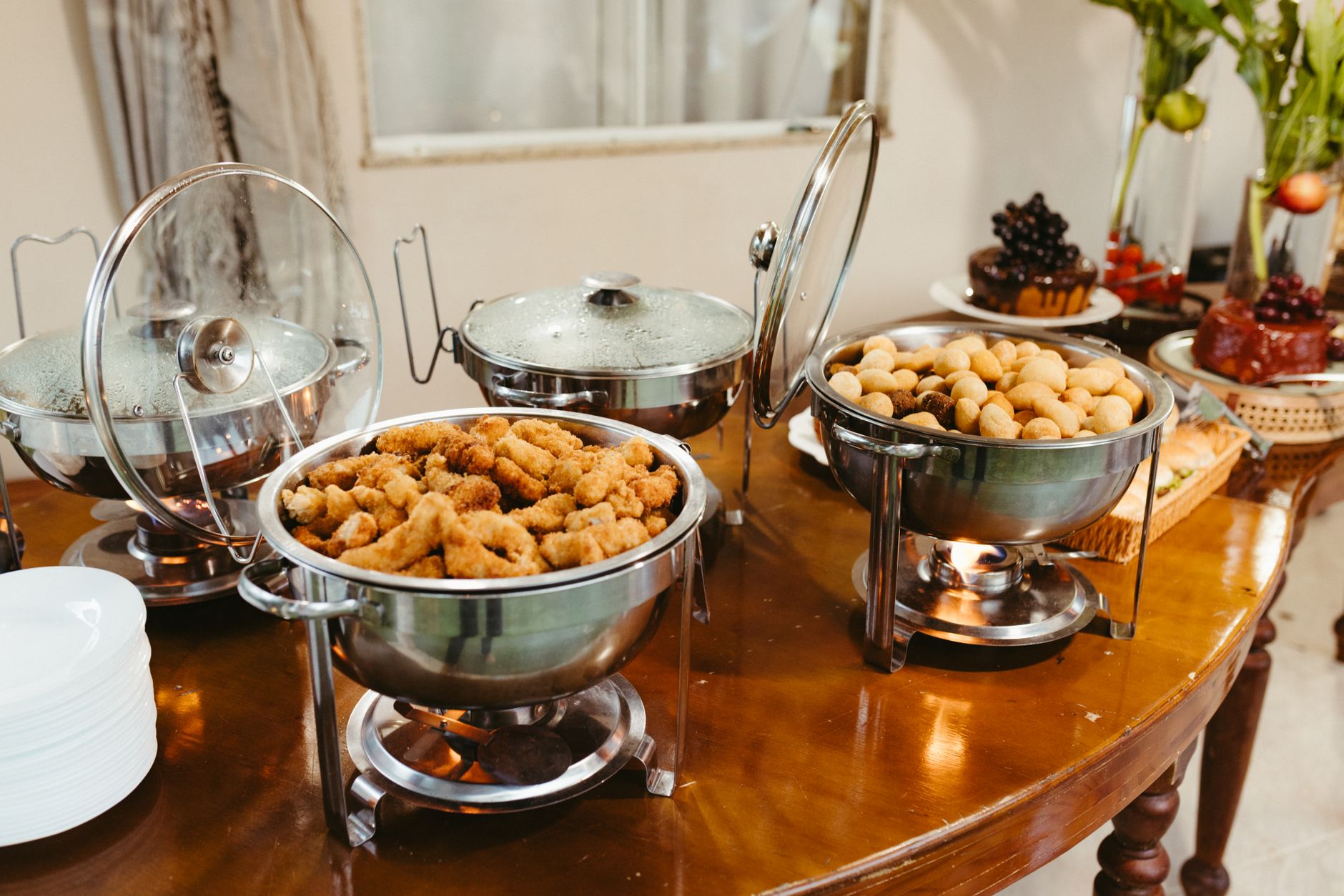
Planning food for a private event is a balancing act: serve enough for guests to feel cared for, without ordering far more than the occasion calls for. Start with a reliable headcount, then consider when the event takes place, how long it runs, and whether guests will sit down, mingle, or help themselves. These details shape portions more than a single per-person rule. Use the following steps to build a menu that fits your gathering and leaves room for practical adjustments.
Start With the Guest Count
Build your estimate from confirmed attendees, not the full invitation list. Set an RSVP deadline and ask guests to note dietary needs when they respond. If some replies are still outstanding, decide on a firm catering count deadline and confirm the final number with your caterer before ordering. A dependable headcount helps you plan portions, service supplies, and the right amount of food for each course.
Think about who is attending and what they are likely to eat. A family gathering with children may need different portions and menu choices than an adult reception. For a mixed-age group, offer familiar options alongside more distinctive dishes, and include enough variety for guests with stated dietary requirements. Avoid treating dietary accommodations as an afterthought; plan a complete, clearly identified option for each known need.
Match Food to Event Length
The schedule tells you whether guests need a full meal or a lighter spread. A short reception between meals may call for a selection of appetizers, while an event that overlaps lunch or dinner usually needs more substantial food. If guests will arrive over a broad window, make sure the food plan accounts for late arrivals and the time dishes can be safely served.
Longer events often need food at more than one point. Consider a main meal followed by a modest dessert or late-evening bite rather than making the first spread oversized. For an all-day gathering, plan distinct eating occasions and coordinate timing with the venue or service team. Keep hot and cold items within appropriate holding conditions, and avoid leaving perishable food out for an extended period.
Choose Portions by Meal Format
A plated dinner gives you the clearest portion structure: each guest receives a defined meal, so confirm the number of meals and any alternate selections. A buffet offers more choice, but guests serve themselves and may favor certain dishes. Balance the menu across proteins, vegetables, starches, and other sides, then ask your caterer to recommend quantities based on the guest profile and service plan.
For a cocktail-style event, count on variety and pacing rather than treating every appetizer as a full meal. Offer a mix of substantial and lighter bites, and consider how many pieces guests may need if the gathering replaces dinner. A station or family-style meal also changes serving patterns: guests may return for favorites, so discuss replenishment and presentation with the catering team before finalizing quantities.
Build a Flexible Final Plan
List every food component before approving the order: welcome bites, main dishes, sides, dessert, and any late service. Check that the menu suits the event time and that no single category dominates. Ask how portions are calculated, whether quantities include a buffer, and how the team handles a last-minute change in attendance. This conversation can prevent both shortages and unnecessary excess.
Share the venue setup, service style, event timeline, and confirmed dietary needs with your caterer. These details affect how food is portioned, displayed, and replenished. If you are comparing menus, compare the full plan rather than only the number of dishes; a well-balanced selection and smooth service matter as much as variety. Confirm who will manage leftovers and what food-safety rules apply.
The right food quantity depends on more than the number of invitations. Use your confirmed headcount, event duration, and service format to shape portions, then review dietary needs and timing with your caterer. A clear plan makes it easier to serve guests generously without overordering. If you are hosting in San Diego, Coast & Table can help you discuss a menu suited to your event.